
Beyond
silo thinking
More and more decisions reach beyond a single organisation, discipline or level. Technical requirements, strategic constraints, risks and personal dynamics are tightly interwoven, while your own influence often stops where your remit ends. Before anything can move, it has to become clear what a decision actually hinges on.
That’s exactly where I come in.
I see the bigger picture, connect what usually gets looked at in isolation and spot early where the cogs of a system don’t quite mesh. I look at the technical logic just as closely as at roles, mandates, dependencies, power structures and the assumptions everyone takes for granted, even when they are already narrowing the room for manoeuvre. My aim is to make that room visible: which options are on the table, and how they translate into concrete action.
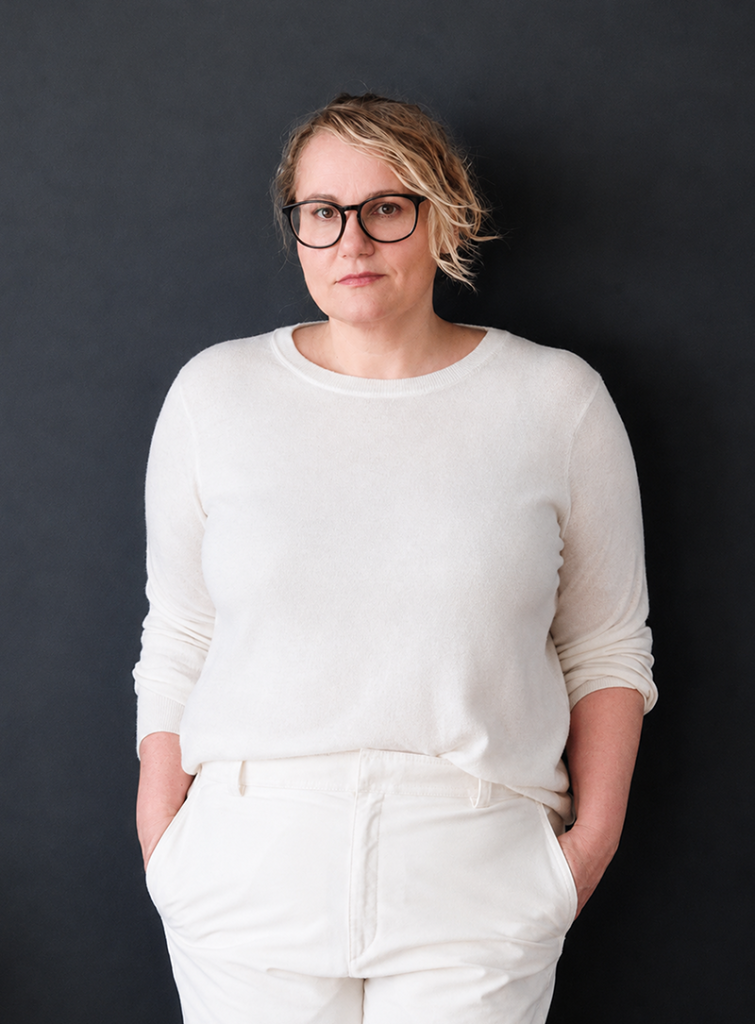
Water Resources Manager (MSc)
Bianca Pischke
The hardest decisions often begin where expertise alone is no longer enough.
More than one perspective
One question runs through all my work: how does knowledge become impact? Over the past twenty years it has driven me through a wide range of fields, in Germany and internationally, from engineering geology, disaster risk reduction and strategic communication to governance, often where science, administration and politics meet.
The more I’ve seen, the more my focus has shifted to process: how measures interact, who is responsible for what, and where valuable knowledge fails to make a difference because it never makes it into practice. That is where I work: where disciplines and institutions meet, and different mandates and goals have to be brought together into an outcome that holds.
More information.
Better decisions?
New technologies, AI and digital media make more information available than ever, and they change how it is produced, shared and judged. The information landscape is becoming increasingly fragmented.
This shift is central to my work. It shapes how people perceive things and form opinions, and it puts pressure on institutional structures that are not yet built for it.
Good advice means thinking it through together
Good advice starts with listening carefully and asking the questions that no longer get asked once a process is under way. That’s why I go deep into the subject matter. I engage with the substance while keeping an eye on the structures, roles and procedures in which it is negotiated.
I advise and analyse where technical, organisational, political and social systems intersect and goals collide. Looking ahead, I ask which conflicts and risks are emerging before they become acute. The methods and formats depend on the situation. Part of that is knowing the limits of my own perspective and being open about them.
This is how I work
Connecting the dots.
Bringing clarity.
Making decisions possible.